
UNDERSTANDING · I.1.
ORIGINS AND EVOLUTION
Delve into the fascinating history of modular architecture, from its early ideas to modern achievements. Discover the innovations and key figures that have shaped this ever-evolving field.
All articles
ORIGINS AND EVOLUTIONPRINCIPLES AND CONCEPTSCONSTRUCTION TECHNIQUESMATERIALS USEDAPPLICATIONS AND USESINNOVATIONS AND TRENDSFLAGSHIP PROJECTSINDUSTRY PLAYERSEMERGING TECHNOLOGIESSUSTAINABILITY AND ENVIRONMENT
11 articles
 ORIGINS AND EVOLUTION
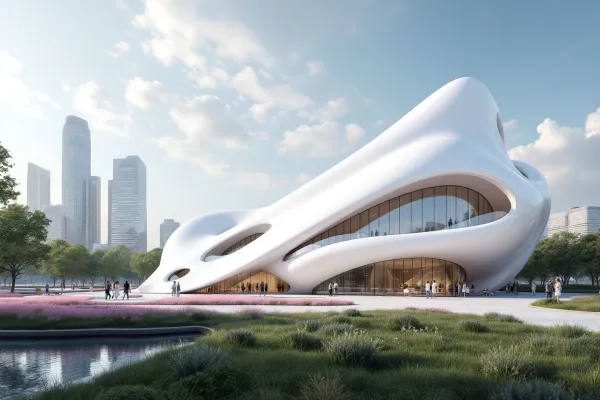
Journey through the History of Modular Architecture
Modular thinking in architecture dates back to the early civilizations, with notable examples in Mesopotamia, Egypt, and India. The industrial revolution marked a major turning point, with the standardization of materials and processes. Today, modularity is essential to meet the challenges of rapid urbanization and environmental needs. September 3, 2024 ORIGINS AND EVOLUTION
The Bold Origins of Modular Architecture: A Revolution Begins
Modular architecture evolved from the visionary ideas of pioneers such as Le Corbusier and Buckminster Fuller. The early emblematic constructions demonstrated the feasibility and aesthetics of these concepts. Industrialization and mass production made this approach viable and suited to contemporary needs. September 3, 2024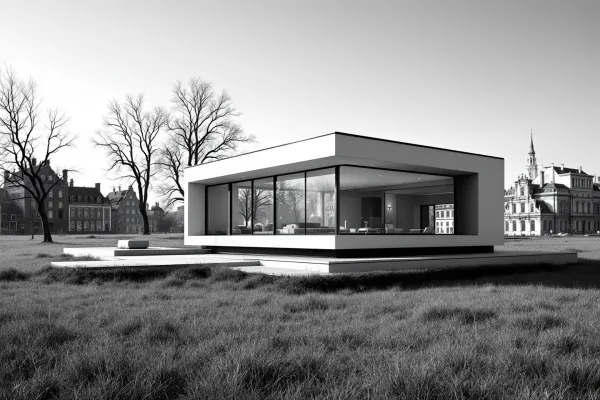 ORIGINS AND EVOLUTION
Revitalization of Residential Modular Constructions
Modular constructions have evolved since the early 20th century to address the post-war housing shortage. The 1990s marked a revitalization thanks to technological advances, the demand for affordable housing, and increased political support. Innovations from this era persist today, influencing the development of sustainable and flexible solutions. July 8, 2024 ORIGINS AND EVOLUTION
Capsules and Micro-Dwellings: Architectural Impact
Micro-dwellings, rooted in a history of space and efficiency considerations, are gaining interest due to contemporary urban challenges. Kisho Kurokawa and his Nakagin Capsule Tower illustrate innovative modular solutions, despite technical and economic obstacles. The future of micro-dwellings promises technological advances and diversification of typologies to meet the varied needs of residents. July 8, 2024 ORIGINS AND EVOLUTION
The Rise of Modular Architecture Post-war
World War II left an urgent need to rebuild destroyed housing and meet the needs of displaced populations. Modular architecture emerged as an innovative solution for quickly and flexibly constructing housing. Iconic projects, such as the Lutèce Houses in France, demonstrated the effectiveness of this approach, which still influences construction practices today. July 8, 2024 ORIGINS AND EVOLUTION
The Evolution of Modular Construction
Modular construction has its origins in antiquity with the use of standardized blocks by the Egyptians, Mesopotamians, and Chinese. The Greeks and Romans respectively perfected these architectural techniques with prefabricated structures such as the Parthenon and aqueducts. In the Middle Ages, prefabrication methods were adapted and enriched, notably in the construction of Gothic cathedrals and fortifications. July 8, 2024 ORIGINS AND EVOLUTION
The Evolution of Prefabricated Houses in the 19th Century
The 19th century marked a turning point in construction with the introduction of prefabricated houses by pioneers such as Henry Manning, Andrew Jackson Downing, and Samuel Leeds Allen. These innovations provided quick, economical, and aesthetic solutions, experimenting with materials like wood and iron. The concepts developed during this time continue to influence modern modular construction practices. July 8, 2024 ORIGINS AND EVOLUTION
Integration of Intelligent Technologies in Modules
Intelligent technologies are transforming our daily lives through automation and energy efficiency. They optimize not only our energy consumption but also the security of homes. This integration fosters a more harmonious and environmentally friendly lifestyle. July 8, 2024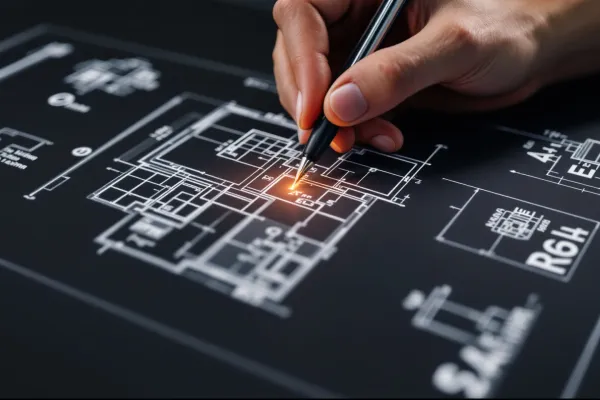 ORIGINS AND EVOLUTION
The Rise of CAD Software
Computer-Aided Design (CAD) software has transformed the field of architecture with its precision and advanced functionalities. It facilitates modular design, reduces costs, and improves communication among stakeholders. The future prospects are promising with the integration of artificial intelligence and augmented reality. July 8, 2024 ORIGINS AND EVOLUTION
Modular architecture on a global scale
Modular architecture has emerged as a quick and sustainable solution for construction worldwide. Iconic projects in North America, innovations in Europe, and adoption in Asia show a diversity of applications. In Oceania and South America, this method has solved specific challenges such as emergency housing and earthquake-resistant buildings. July 8, 2024 ORIGINS AND EVOLUTION
Japanese Modularity and Prefabrication: Global Influence
Japan adopted modularity and prefabrication after World War II to rebuild quickly and economically. Japanese architects innovated with these techniques, influencing iconic projects and other countries. Prefabrication continues to impact contemporary architecture, combining sustainability, speed, and innovation. July 8, 2024No article matches.