
UNDERSTANDING · I.4.
MATERIALS USED
Dive into the world of materials used in modular construction. Wood, steel, concrete, and composites—discover how each material contributes to the durability and efficiency of these innovative structures.
All articles
ORIGINS AND EVOLUTIONPRINCIPLES AND CONCEPTSCONSTRUCTION TECHNIQUESMATERIALS USEDAPPLICATIONS AND USESINNOVATIONS AND TRENDSFLAGSHIP PROJECTSINDUSTRY PLAYERSEMERGING TECHNOLOGIESSUSTAINABILITY AND ENVIRONMENT
13 articles
 MATERIALS USED
Metals in Modular Design: Stainless Steel and Aluminum
Stainless steel, with its corrosion resistance and durability, is crucial in the medical, food, and construction sectors. Aluminum, appreciated for its lightness and conductivity, plays a central role in the transport, construction, and electronics industries. These two metals are indispensable for their unique properties and multiple applications. September 3, 2024 MATERIALS USED
Application of insulating materials in modular architecture
Energy efficiency and thermal comfort in modular constructions depend on the insulation of walls, floors, and roofs. Various materials and techniques, such as polyurethane foam, mineral wool, and rigid insulating panels, are used to optimize this crucial aspect. These approaches ensure optimal thermal performance by considering the climate, energy requirements, and budget. September 3, 2024 MATERIALS USED
Exploring the Properties of Steel
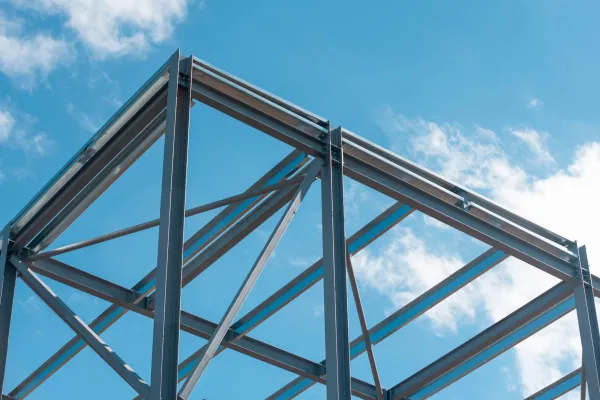
Steel offers invaluable advantages for modular construction thanks to its remarkable strength and durability. In addition to being 100% recyclable, steel minimizes waste, reduces costs, and accelerates construction timelines. Its flexibility and environmental performance make it a sustainable and economical choice for innovative projects. July 8, 2024 MATERIALS USED
Eco-friendly materials in modular construction
Eco-friendly materials are revolutionizing modular construction by offering sustainable and environmentally friendly solutions. Innovations like cross-laminated timber, hemp concrete, and wood or mycelium fiber insulators improve both the thermal and acoustic performance of structures. This ecological shift addresses the need to reduce the carbon footprint while providing viable alternatives to conventional materials. July 8, 2024 MATERIALS USED
Exploring New Materials in Modular Construction
Modular construction greatly benefits from new materials such as high-performance composites, nanomaterials, and smart materials. These innovations not only improve the durability and energy efficiency of structures but also offer innovative solutions to environmental challenges. Following these advancements is essential for designing dynamic and sustainable buildings, thus changing the urban landscape of tomorrow. July 8, 2024 MATERIALS USED
Eco-Friendly Insulating Materials: Recent Innovations
Insulating materials based on natural and recycled fibers are gaining popularity due to their environmental benefits and unique properties. Fibers like hemp, flax, and sheep's wool offer biodegradable and efficient solutions, while recycled textiles reduce waste and environmental impact. Advances in production techniques and the social importance of these innovations promise a more sustainable future in construction. July 8, 2024 MATERIALS USED
Exploring Recent Innovations in Eco-Friendly Materials
Biocomposites and recycled materials are at the heart of current research aimed at making various industrial sectors more sustainable. With performance comparable to traditional materials and a reduced carbon footprint, these innovations show a promising path for the future. Despite some challenges, optimism prevails thanks to technological advances and collaboration between public and private stakeholders. July 8, 2024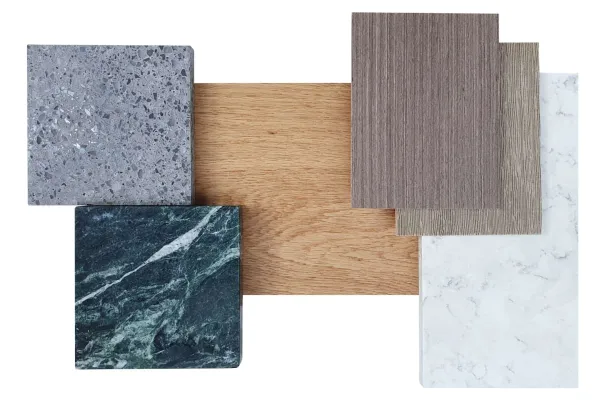 MATERIALS USED
Interior Cladding Materials Module
Drywall stands out for its versatility and insulating properties, but is sensitive to moisture. Wood panels offer a warm aesthetic and remarkable technical performance, although they require regular maintenance. Tiles, appreciated for their durability and resistance to moisture, are ideal for wet areas but require professional installation to ensure their quality. July 8, 2024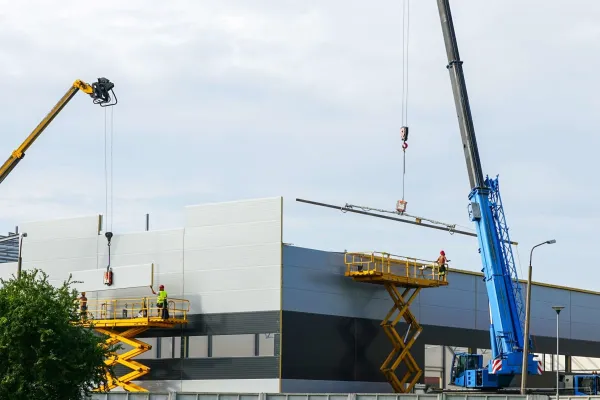 MATERIALS USED
Sandwich Panels: An Innovative Solution for Modular Construction
Sandwich panels offer a lightweight, strong, and insulating solution, ideal for modular construction. Their quick implementation and architectural flexibility effectively meet the needs of emergency or temporary projects. In addition to their energy efficiency, they contribute to more environmentally friendly construction. July 8, 2024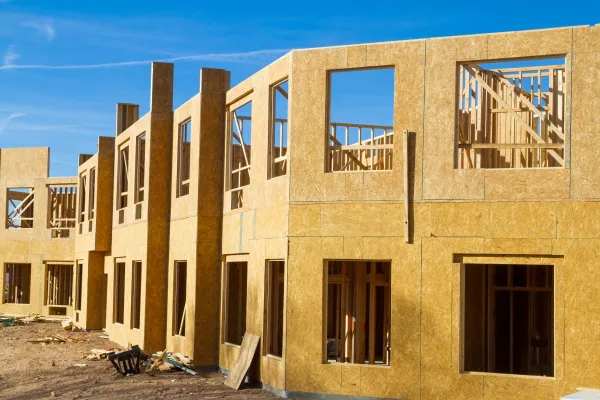 MATERIALS USED
Wood-derived materials and modular constructions
OSB and MDF panels are essential in modular constructions due to their adaptability and durability. OSB is ideal for structures requiring robustness and resistance to mechanical stresses, while MDF excels in precise and aesthetic interior finishes. Understanding and skillfully combining these materials allows for the creation of constructions that are solid, aesthetic, and functional. July 8, 2024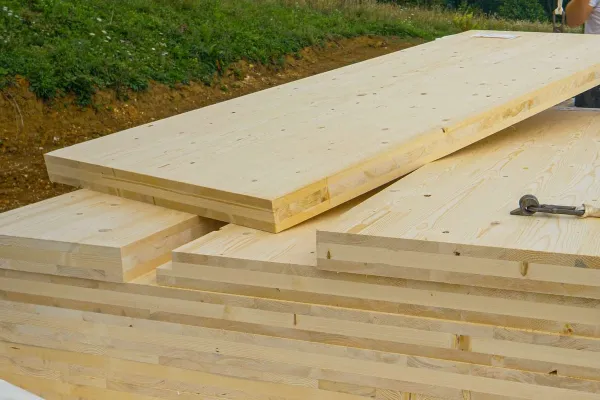 MATERIALS USED
The advantages of wood for modular constructions: lightness and strength
Modular constructions are booming thanks to the unique properties of wood, such as its lightness and mechanical strength. These characteristics not only allow for easier handling and transport but also performances comparable to metal alloys. Furthermore, the responsible use of wood promotes sustainable and ecological constructions, contributing to a more sustainable future. July 8, 2024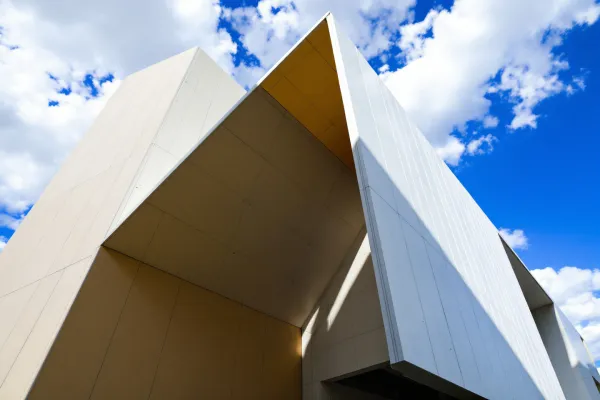 MATERIALS USED
Exterior Cladding: Protect and Enhance
Discover the advantages and challenges of metal, composite panels, and wood exterior claddings. Explore how these materials can both protect and enhance buildings. Learn the important considerations for choosing the right cladding for your architectural project. July 8, 2024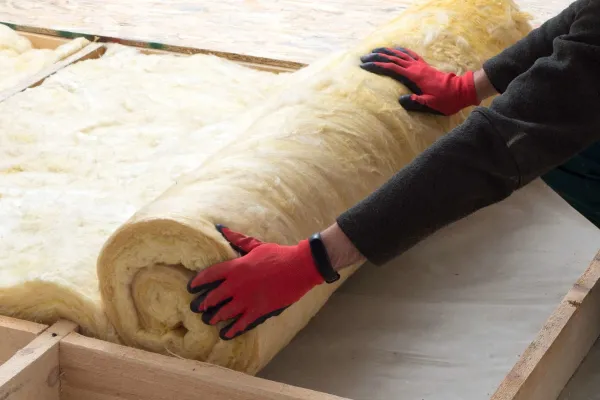 MATERIALS USED
Thermal insulation: Rock wool and polystyrene
Rock wool, derived from volcanic rocks, offers excellent thermal resistance and remarkable fire safety performance. Polystyrene foam, available in expanded and extruded versions, stands out for its lightness and insulating capacity, although its properties in terms of fire safety and environmental impact raise concerns. These two materials present advantages and disadvantages that deserve careful evaluation for optimal thermal insulation choice. July 8, 2024No article matches.