Eco-friendly materials in modular construction
Eco-friendly materials are revolutionizing modular construction by offering sustainable and environmentally friendly solutions. Innovations like cross-laminated timber, hemp concrete, and wood or mycelium fiber insulators improve both the thermal and acoustic performance of structures. This ecological shift addresses the need to reduce the carbon footprint while providing viable alternatives to conventional materials.

Modular construction, often praised for its speed and efficiency, is gaining popularity due to a better consideration of environmental imperatives. Eco-friendly materials play a central role, offering a viable solution to reduce the carbon footprint while maintaining high standards of durability and design. This section aims to explore various innovations in eco-friendly materials, highlighting their advantages in the field of modular construction.
One of the most promising eco-friendly materials in this sector is cross-laminated timber (CLT). Made from layers of wood stacked and glued perpendicularly, CLT offers excellent mechanical resistance while reducing the structural weight of buildings. Using wood as a construction material also allows for carbon storage throughout the building's lifespan, thereby helping to reduce greenhouse gas emissions. In addition, CLT is renewable, biodegradable, and often locally available, which reduces transportation costs and associated environmental impacts.
Another material gaining ground is hemp concrete. It is a mix of lime, water, and hemp fibers, a plant that grows quickly and requires little pesticide or fertilizer. Hemp concrete has exceptional insulating properties, both thermally and acoustically, making it a relevant choice for modular construction. Furthermore, this material is also breathable, helping to regulate indoor humidity and improve air quality.
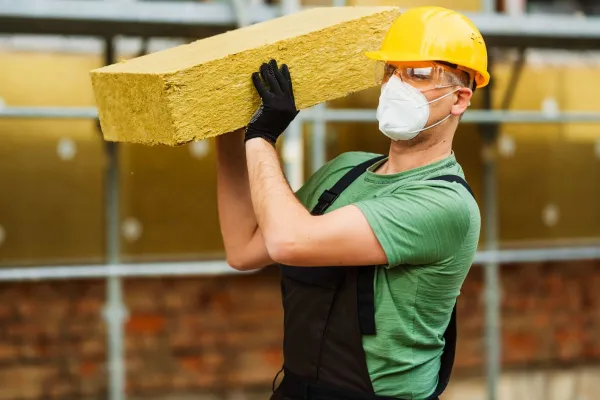
Regarding insulation, wood fiber and cellulose wadding stand out as eco-friendly alternatives to traditional materials like fiberglass or polystyrene. Wood fiber is produced from sawmill residues and recycled wood, whereas cellulose wadding uses recycled paper. These insulators offer comparable thermal performance to conventional materials while being more environmentally friendly.
Mycelium-based insulating panels, the vegetative part of mushrooms, represent another innovative advance. These panels are lightweight, compostable, and offer excellent thermal and sound insulation properties. Mycelium can be grown rapidly and harvested without the use of harmful chemicals, making it a choice eco-friendly material for modular construction.
Finally, technological innovations now allow for the incorporation of recycled materials in construction. For example, recovered plastics can be transformed into robust and durable modular structures. These innovations significantly reduce waste while offering reliable and long-lasting construction solutions.
In summary, innovations in eco-friendly materials represent a considerable gain for modular construction. Not only do these materials help reduce the environmental footprint of new constructions, but they also offer superior performances in terms of durability, insulation, and climate regulation. Embracing these materials is an investment in a more sustainable future while benefiting from current technological advancements. Eco-friendly modular construction is therefore not just a trend, but a necessity to address tomorrow's environmental and urban challenges.