Virtual Reality and Modular Structures
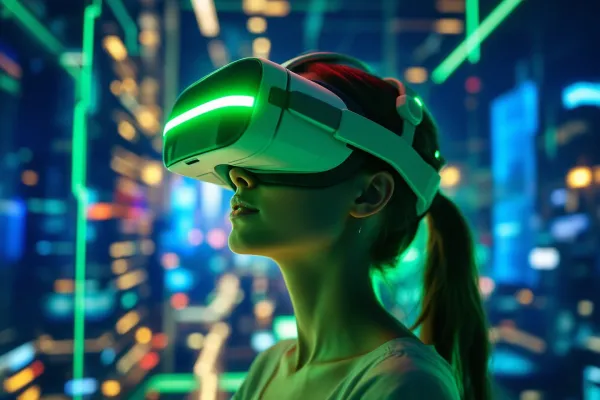
Virtual reality revolutionizes modular architecture by enabling immersive visualization and manipulation of 3D models. It facilitates understanding of architectural projects and improves communication between designers and clients. It optimizes modular project planning for more sustainable and efficient management.
Virtual Reality Serving Modular Architecture
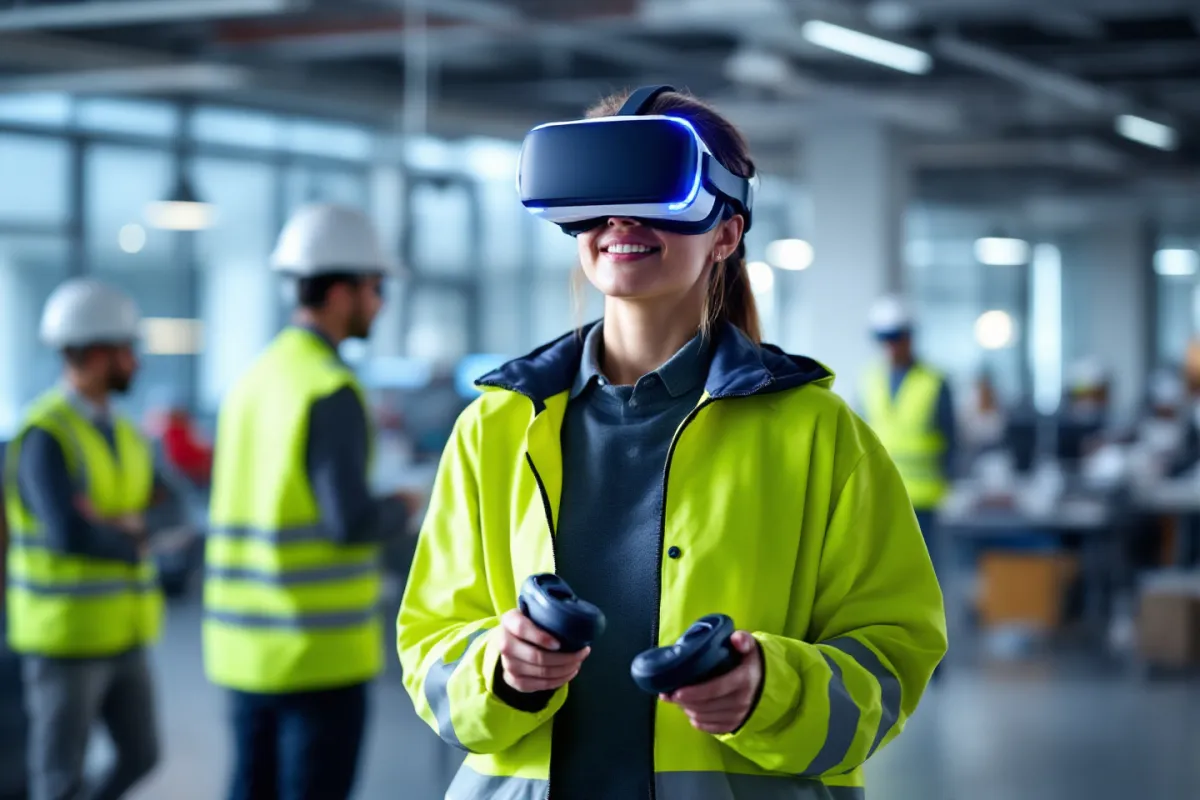
Virtual reality (VR) and modular architecture are two evolving concepts that, when combined, promise to transform the way we design and construct buildings. VR replicates a three-dimensional environment in which users can interact, offering an immersive visual and sensory experience. Within the scope of modular architecture, it opens new perspectives by allowing architects and engineers to visualize and manipulate 3D models of structures even before they are built. Current VR technologies include high-performance headsets, software creation environments, and advanced modeling tools that make traditional drawings and models almost obsolete. By using VR, professionals can simulate various scenarios, test concepts, and make real-time adjustments, which prove particularly beneficial for modular projects. This interactive methodology not only reduces errors during the construction phase but also optimizes the use of materials and associated costs. By enabling virtual exploration of modular models, VR fosters a more intuitive and direct understanding of architectural projects. It thus becomes an indispensable tool for professionals in the field, making the design process smoother and more collaborative. This technology positions itself as a valuable ally in facing the many challenges the modular architecture industry encounters today.
Immersive Models: A New Dimension in Visualization
Immersive models in virtual reality are transforming the approach to visualization in modular architecture. This new method offers complete immersion, allowing designers, clients, and other stakeholders to navigate a virtual model as if it were constructed. Unlike physical models and 2D schemes, VR allows for the real perception of dimensions, space, and even the impact of light and materials. The benefits are numerous: virtual reality facilitates a better understanding of projects and improves architects' expressive abilities. Clients can explore and understand modular spaces well before the first foundations are laid, which can significantly reduce misunderstandings. For example, in creating a modular school, VR allows teachers to see how classrooms connect and anticipate their specific needs regarding furniture and layout, resulting in a more functional and suitable arrangement. Innovative projects have already incorporated VR as a communication and marketing tool. In property development, virtual models enable potential buyers to tour fully finished apartments or houses before even one wall is erected. This adds a new and captivating dimension to the presentation of architectural projects while ensuring greater client satisfaction. By making visualizations more tangible and interactive, virtual reality facilitates decision-making and enhances the transparency of design processes.
Optimizing Planning with Virtual Reality
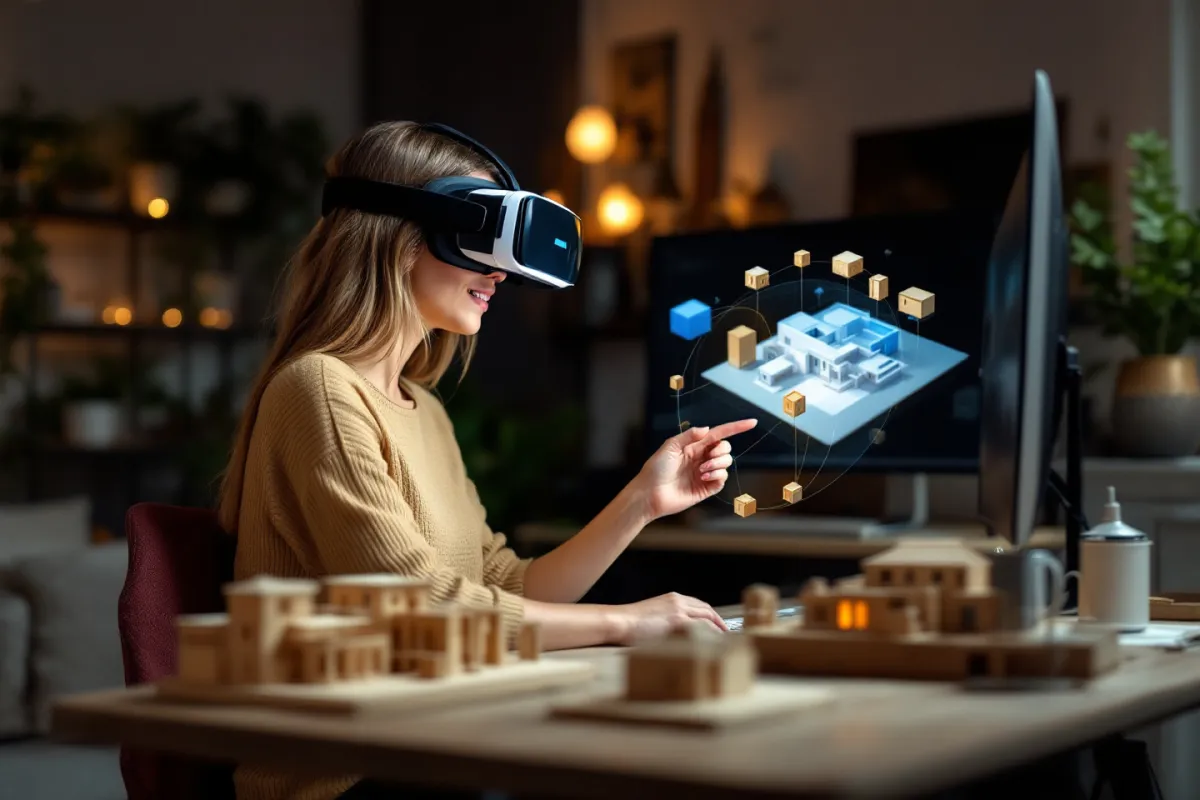
Integrating virtual reality into the planning process of modular architecture represents a major advantage for optimizing project execution. Thanks to VR, planners and project managers have access to a tool that helps anticipate construction challenges even before work begins. By simulating the step-by-step assembly processes of modules, virtual reality provides a clear view of site development, identifying complex operations or potential incompatibilities in advance. Virtual reality also enhances collaboration by providing a common digital platform where all stakeholders can visualize and interact with the virtual model. Meetings are conducted with an increased understanding of project needs, timelines, and budgets. This facilitates informed decision-making and allows for smarter resource management, reducing waste and increasing efficiency. In the long term, the use of VR could lead to a more sustainable modular construction sector. By refining planning through diverse scenario simulations, VR contributes to more eco-friendly management of materials and energy while fostering technical innovation. In short, the contribution of virtual reality in planning goes beyond simple visualization: it redefines industry practices by aligning sustainable development with profitability. It thus embodies a natural and essential evolution to address the contemporary challenges of the construction sector.
Conclusion
- Virtual reality transforms design and construction in modular architecture by enabling immersive and interactive visualization.
- Immersive VR models reduce misunderstandings between designers and clients, thus improving communication and satisfaction.
- Virtual models offer a new dimension to project presentations, facilitating decision-making and increasing transparency.
- The use of VR in planning optimizes project management by anticipating construction challenges and enhancing collaboration.
- The integration of VR in modular architecture supports more sustainable development by offering better resource management and stimulating innovation.