
Analysis of Stanford University's Research Projects and Innovations in Modular Architecture
Stanford University stands out for its significant advancements in modular architecture, including multifunctional and energy-efficient prototypes. Stanford's research also extends to extreme environments, demonstrating remarkable flexibility and durability. Stanford's modular student village is a model of sustainable housing, inspiring other academic institutions.
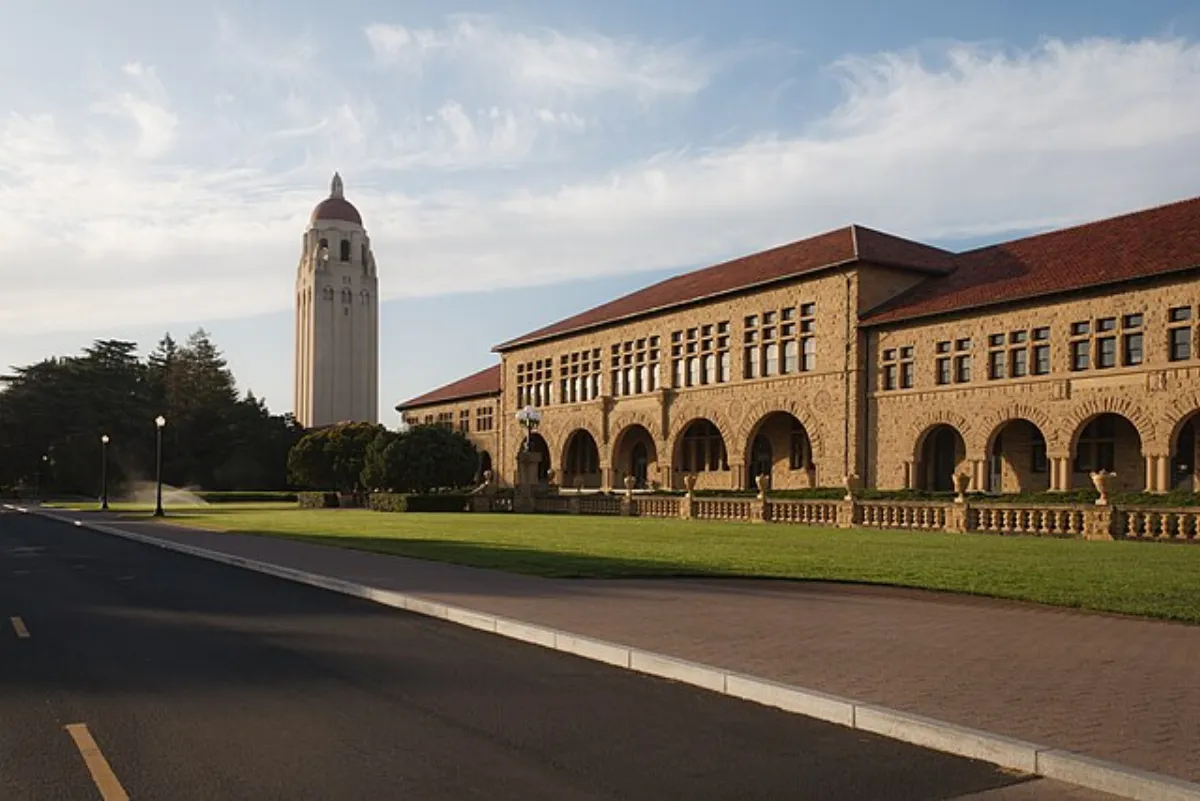
Stanford University is recognized for its significant contributions to many scientific and technological fields, including modular architecture. This architectural approach aims to design structures in modular units, which offers significant advantages in terms of flexibility, durability, and speed of construction. In this context, let's explore some of the most notable innovations and case studies carried out by Stanford University. One of the university's notable contributions is the development of multifunctional habitable module prototypes. These prototypes are designed not only for housing but also for use in emergency situations, such as temporary shelters after a natural disaster. This project was led by a team of researchers from the Department of Civil and Environmental Engineering, relying on the latest advances in computer-aided design and innovative materials. For example, the use of lightweight yet robust composites has made it possible to create modules that are easily transportable and assemble on-site in record time. Another pioneering project from Stanford is leveraging modularity to improve the energy efficiency of buildings. Researchers have developed modules equipped with advanced energy management technologies, such as integrated solar panels and heat recovery systems. These innovations not only reduce energy consumption but also minimize the carbon footprint of constructions. Furthermore, these technologies can be more easily updated or replaced thanks to the modular nature of the building, which is a significant advantage over traditional constructions. Stanford University has also conducted research on adapting modular architecture to extreme environments. For example, studies have been carried out to deploy modular structures in polar regions or at sea. These environments present unique challenges in terms of resistance to severe weather conditions and isolation, but the results have shown that modular architecture can effectively meet these requirements. This type of research opens up interesting prospects for military, industrial, and even space applications. As for case studies, the student housing project carried out in collaboration with several university departments deserves special mention. This project created a fully modular student village, where each unit is configurable according to the individual needs of the residents. The modules are designed to offer maximum customization and comfort while being cost-effective and environmentally friendly. This village has become a reference model in sustainable and flexible student housing, inspiring other academic institutions worldwide. In short, Stanford University's research projects and innovations in modular architecture illustrate the immense possibilities offered by this approach. Whether for residential, urgent, energy, or extreme applications, modular architecture proves to be a promising solution to contemporary construction challenges. Stanford's pioneering work continues to influence and inspire the field, proving that innovation is at its core.
Sources
Image credits : https://commons.wikimedia.org/wiki/File:Stanford_University_Main_Quad_May_2011_001.jpg