Exterior Cladding: Protect and Enhance
Discover the advantages and challenges of metal, composite panels, and wood exterior claddings. Explore how these materials can both protect and enhance buildings. Learn the important considerations for choosing the right cladding for your architectural project.
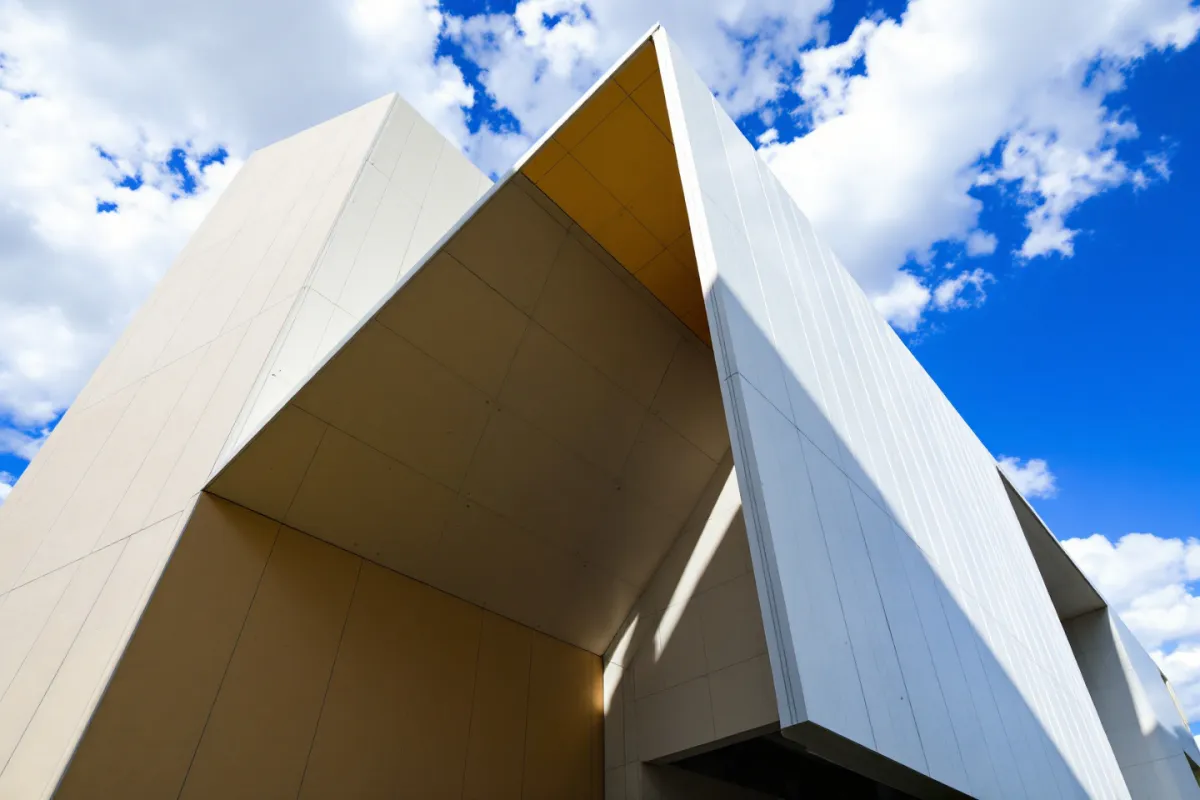
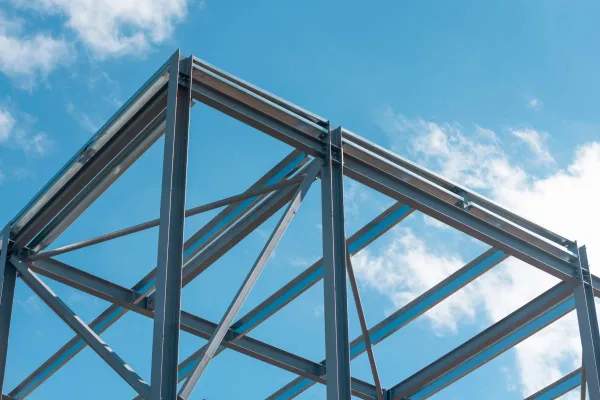
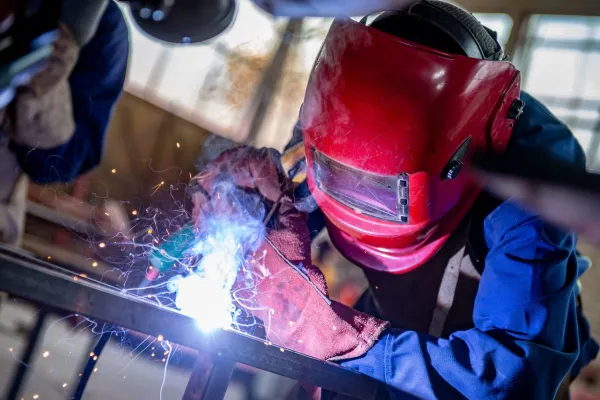
Metal cladding is an exterior cladding option that has gained popularity due to its robustness and durability. Often used in industrial and commercial contexts, this type of cladding is available in different metals such as aluminum, stainless steel, and zinc. Its main quality lies in its ability to withstand weather conditions, making it particularly suitable for environments where the climate can be harsh. Metal has excellent resistance to corrosion, especially when specific treatments like galvanizing or anodizing are applied. These processes help protect metal from oxidation and rust, thus increasing its lifespan. Moreover, metal cladding is non-combustible, making it a suitable choice for buildings requiring high safety standards. Beyond functionality, metal cladding offers a contemporary aesthetic. With a wide range of finishes, colors, and textures, it's possible to create modern and varied designs. Whether for a smooth and shiny facade or for a weathered and patinated look, metal adapts to various architectural visions. However, it is essential to note that metal cladding requires careful installation. Incorrect installation can lead to sealing problems and thermal bridges. Additionally, although metal is durable, it can be prone to scratches and dents, which could affect its appearance over time. Another point to consider is thermal insulation. Metal is a good conductor of heat, which can pose challenges in terms of thermal regulation. It is often necessary to integrate additional insulating materials to maintain optimal energy efficiency of the building. In conclusion, metal cladding is an exterior cladding solution combining robustness, durability, and modern aesthetics. It is particularly suitable for projects requiring high weather resistance and increased security. However, its installation and maintenance must be carefully planned to maximize its benefits.