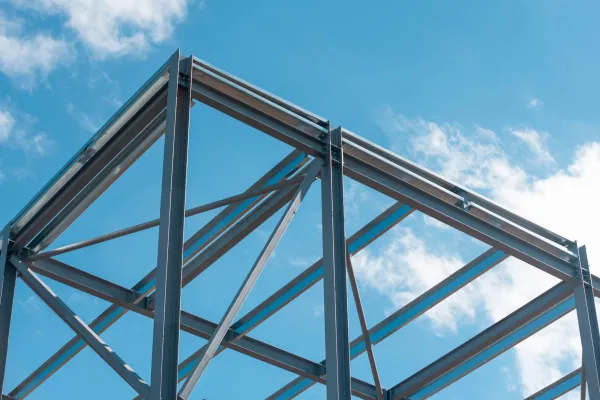
The advantages of wood for modular constructions: lightness and strength
Modular constructions are booming thanks to the unique properties of wood, such as its lightness and mechanical strength. These characteristics not only allow for easier handling and transport but also performances comparable to metal alloys. Furthermore, the responsible use of wood promotes sustainable and ecological constructions, contributing to a more sustainable future.
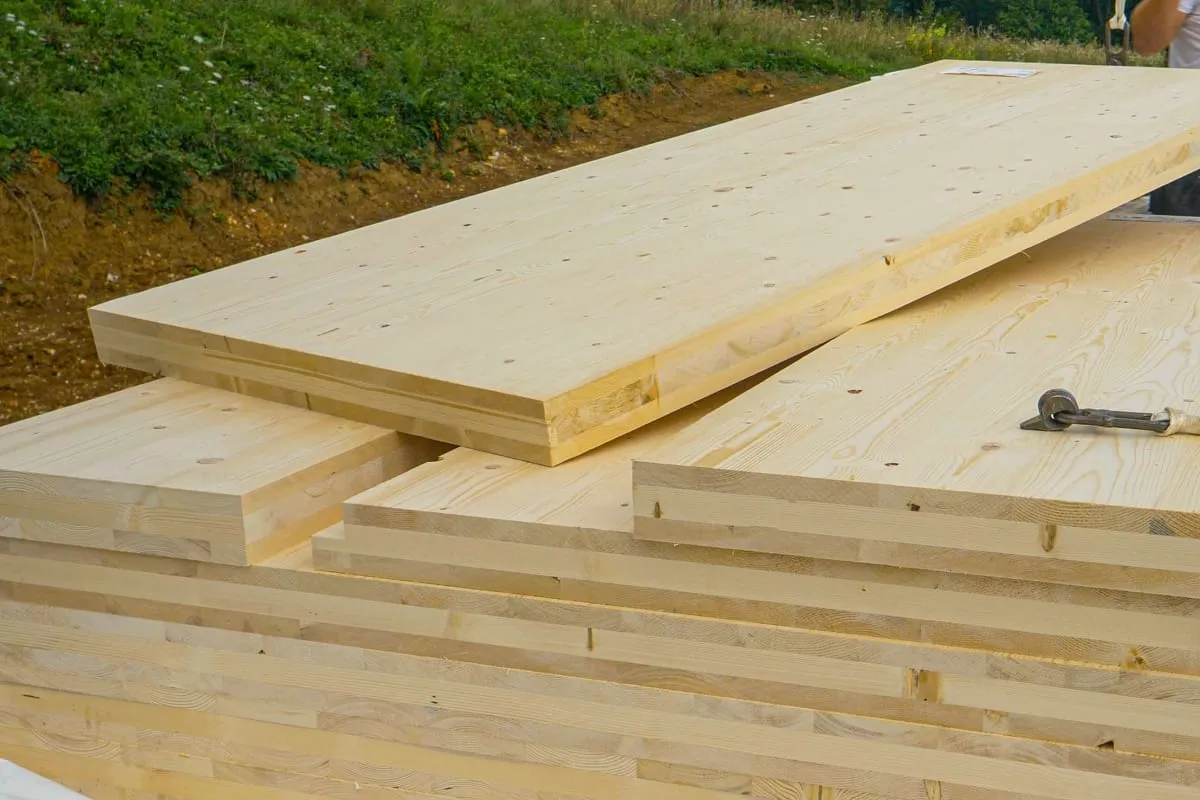
Modular constructions have seen significant growth in recent years, reflecting a paradigm shift in the building industry. Among the coveted materials for this type of construction, wood stands out for its unique properties of lightness and strength. These characteristics make wood a favorite choice for architects and engineers seeking to balance durability and efficiency. The first asset of wood that makes it so attractive for modular constructions is undoubtedly its lightness. Compared to materials like concrete or steel, wood has a particularly advantageous strength-to-weight ratio. This lightness not only facilitates the transportation of modules to construction sites but also their handling and assembly. Less weight also means reduced logistical costs and less strain on foundations, which can lead to substantial savings in terms of materials and labor. Aside from its lightness, wood is also appreciated for its mechanical strength. Some types of wood, like oak or larch, offer performances comparable to metal alloys while remaining more flexible and adaptable. This strength allows for the design of robust and durable structures capable of supporting significant loads and withstanding weather conditions. Unlike concrete, which can crack under stress or temperature fluctuations, wood has a natural elasticity that allows it to better absorb impacts and deformations. The combination of wood's lightness and strength not only leads to practical and economic benefits but also has a positive environmental impact. Wood is a renewable resource, and when used responsibly, it can play a crucial role in the development of eco-friendly buildings. Its ability to store carbon throughout its lifespan makes it a powerful ally in the fight against climate change. Moreover, modern wood construction methods, such as glued laminated timber or solid wood panels, maximize the use of this resource while minimizing waste. In summary, the properties of lightness and strength of wood provide tangible advantages for modular constructions. They allow for the creation of efficient, durable, and ecological structures, while offering design flexibility and ease of implementation. Wood thus establishes itself as an essential material to meet the contemporary challenges of building, combining tradition and innovation for a more sustainable future.